
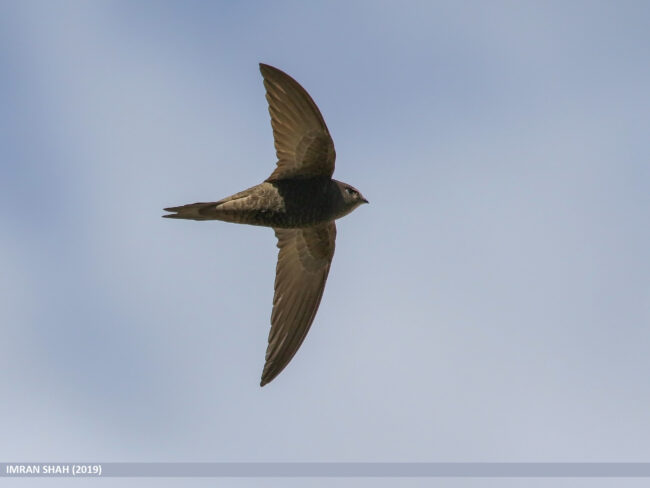
Our 14,000-mile visitor

Each year in May I spend a significant amount of time looking up at the sky. Not only do the warming temperatures trigger the formation of impressive cumulonimbus clouds (the huge fluffy ones), but we’re treated to the return of Swifts to our skies.  These birds undertake one of the world’s longest migrations of any…

The urban importance of Urban Nature by Lucy Kennedy

I’ve been reflecting on the purpose of our Urban Nature garden, particularly as Spring awakens. It is a series of 10 plots on St Ann’s Allotments, established nearly 20 years ago as a space to be managed for wildlife.    What does that really mean?    Of course, the whole site is beneficial for nature as…

This is a photo of a goldfinch perched on a branch

Identifying birds by sound in winter by Holly James

During my local lockdown walks last year, I started learning how to recognise birds by their song and call, and it’s much easier than you might think. Winter is absolutely the best time to start because we only have our winter residents around. Once we get into Spring, our migratory birds will start to return,…

Insects by Paul Freeborough (Volunteer)

Back in the 1980’s I was lucky enough to ask a question on radio’s Gardeners’ Question Time. Much to my teenage daughter’s embarrassment, my question was: “I have whitefly on my brassicas, can the panel recommend a remedy?” It turned out that the whitefly were harmless and could be washed off with a hose. There…

Tree harvesting by Paul Freeborough (Volunteer)

Have you tried spotting tree seedlings in your garden? Wood pigeons and squirrels are a pain if you’re trying to grow brassicas and beans. But then again, pigeon poop (poop from other birds may be available) is a great producer of free tree seedlings.   Thanks to the pigeons and their friends gulping down tree…