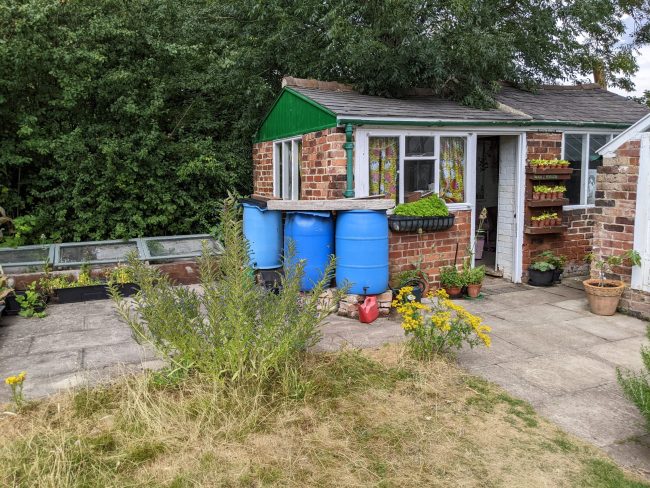
Climate change
In mid-July, we experienced two days of record high temperatures. Although cooler weather soon followed it was too late to save many plants that had been scorched by the sun.…

In mid-July, we experienced two days of record high temperatures. Although cooler weather soon followed it was too late to save many plants that had been scorched by the sun.…
For those of you, both gardeners and visitors, who have gallantly trekked up and down the steep avenues and pathways of St Ann’s Allotments, being out of breath is a…

Since lockdown, there has been an outbreak of skips where I live. People have been taking the opportunity to alter or add to their house and garden. Sadly, in one…

In 1871, the Nottinghamshire Guardian carried an article about St Ann’s Allotments and the joy of manure… “The gardens average 400 square yards, and one of the gardeners told me…
At a time of year when we think more of others, the Nottingham Journal of 28 and 31 December 1867 reported on a court case involving a child… On 28…
With Christmas approaching, you may be thinking of presents for your nearest and dearest. Five gold rings would be nice, or even a partridge in a pear tree. How about…